Peter van Bergen Presents
together with the artists and in collaboration with LOOS/STUDIO LOOS and Zaal 3, presents
4th Annual
The Hague International
Sound Art Festival
The Hague International Sound Art Festival
November 20-22, 2024
The 4th Annual Hague International Sound Art Festival focuses on spontaneous and unexpected collaborations between artists under the theme "Unpredictability."
The festival’s concept is inspired by, but is not a copy of, Derek Bailey’s Company.
Derek Bailey (1930–2005) was a pioneer of European free improvisation: he developed a radically original, non-idiomatic guitar language that broke away from jazz and all other stylistic conventions, and furthermore provided the scene with an infrastructure and a theoretical foundation through the Incus label, the annual meeting platform ‘Company’ and his influential book Improvisation: Its Nature and Practice in Music.
Company was Bailey’s way of bringing together improvisers who, under normal circumstances, might never have considered playing with one another: he gathered them in a space, then placed them on stage in front of an audience and allowed their differences and incompatibilities to generate the music. Bailey led Company from 1976 to 1994. Its basic format, a group of musicians, combinations decided shortly before the performance, and a week to explore them, went on to influence festivals of improvised music around the world.
A regular group gradually develops a shared vocabulary. That vocabulary becomes a repertoire, and ultimately that repertoire can spell the end of improvisation itself. “Back then,” Bailey later recalled, “the main way of organising improvised music was to set up regular groups, something I was already somewhat disillusioned with.”
Bailey assembled a group of musicians whom he deliberately selected from different musical traditions, different countries and with different ideas about what music could or should be. He then put them on stage in combinations that were only decided a few minutes beforehand. There were no rehearsals, no pre-determined material, and often the musicians had never met before.
“There has to be a certain degree, not just of unfamiliarity, but also of incompatibility. Otherwise, what’s the point of improvising?”
— DEREK BAILEY
For Bailey, difficulty was not an unfortunate side-effect of the process; it was, in fact, at its very heart. “If there are no difficulties, it seems to me that there is virtually no point in playing. I find that the things that fascinate me consist of trying to make something work.”
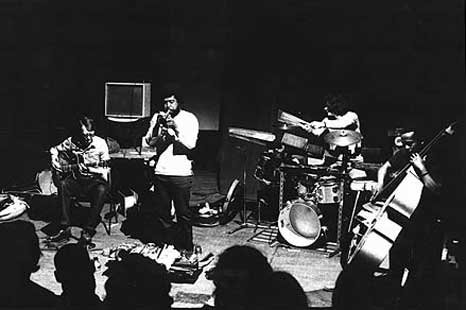
Derek Bailey | Leo Smith | Tony Oxley | Johnny Dyani | Company Week, London 1978. Photo: Gérard Rouy
In his view, the most productive presence in a group could even be the musician who had the least idea of what was going on: “I’ve always enjoyed the effect of having someone there who didn’t have the faintest idea what was going on.”
In a program note for Company Week from the early 1990s, this anti-festival philosophy was articulated very clearly. Company was not intended as a showcase or a ‘fashion show’, but as ‘a building site, we come together and build something that wasn’t there before.’
Everything about the format, Bailey wrote, was designed “to avoid, as far as possible, any preconceptions about how the music might sound”. That, “in turn, calls for musical openness, curiosity and sensitivity, the ability to respond instinctively and constructively to new and unfamiliar situations.”
That same principle lies at the heart of this festival: not to present a predetermined musical outcome, but to create the conditions in which something unexpected can happen, something that did not yet exist before the musicians met on stage.
What Is Sound Art?
Sound art is a diverse and interdisciplinary form of art that primarily utilizes sound, acoustics, and auditory elements as its medium of expression. It breaks away from traditional notions of music by emphasizing the artistic and aesthetic qualities of sound itself, rather than focusing solely on melody, harmony, or rhythm. Sound artists often work with various sonic elements, including field recordings, found sounds, electronic synthesis, spoken word, and more, to create immersive and thought-provoking experiences.
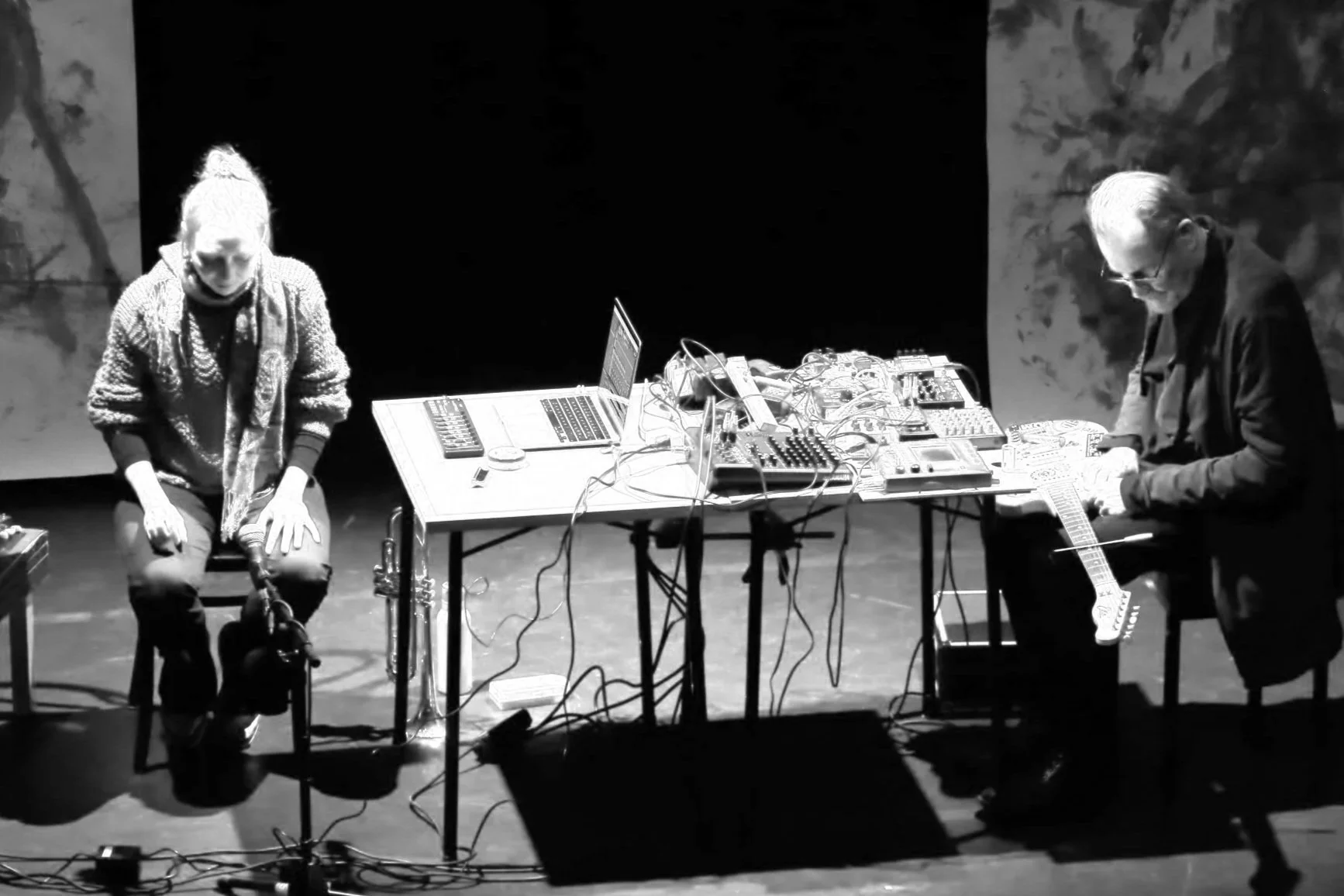

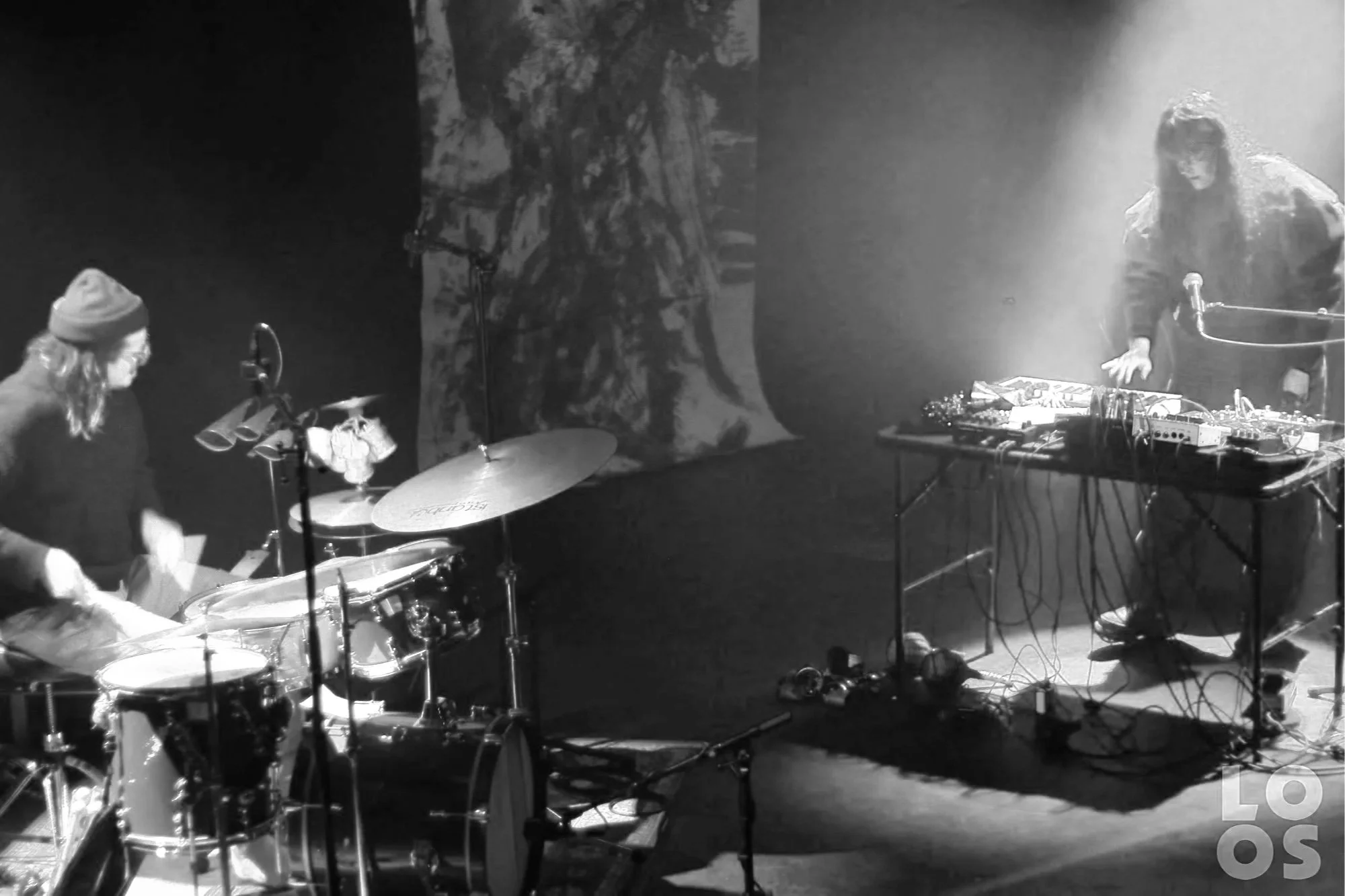
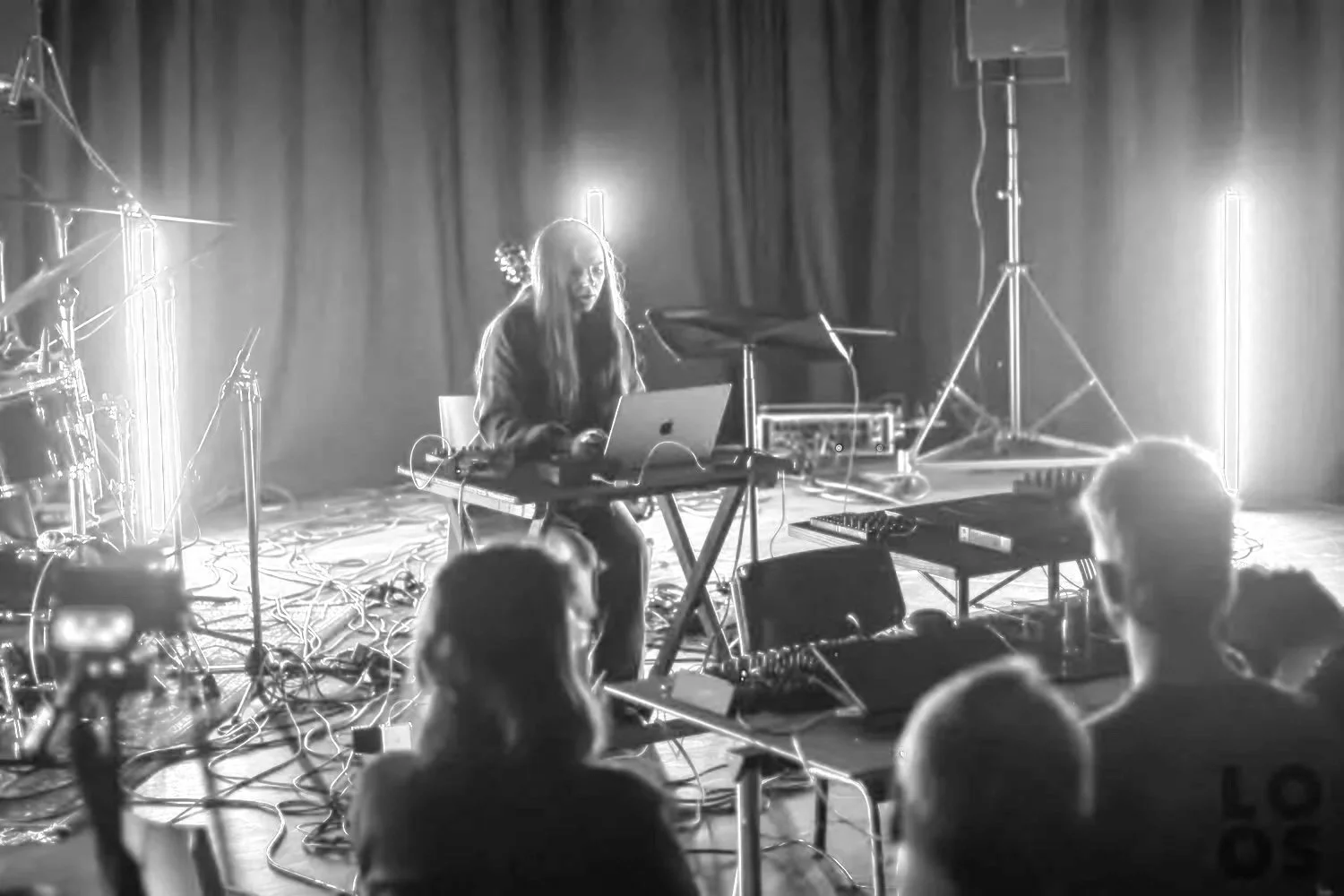
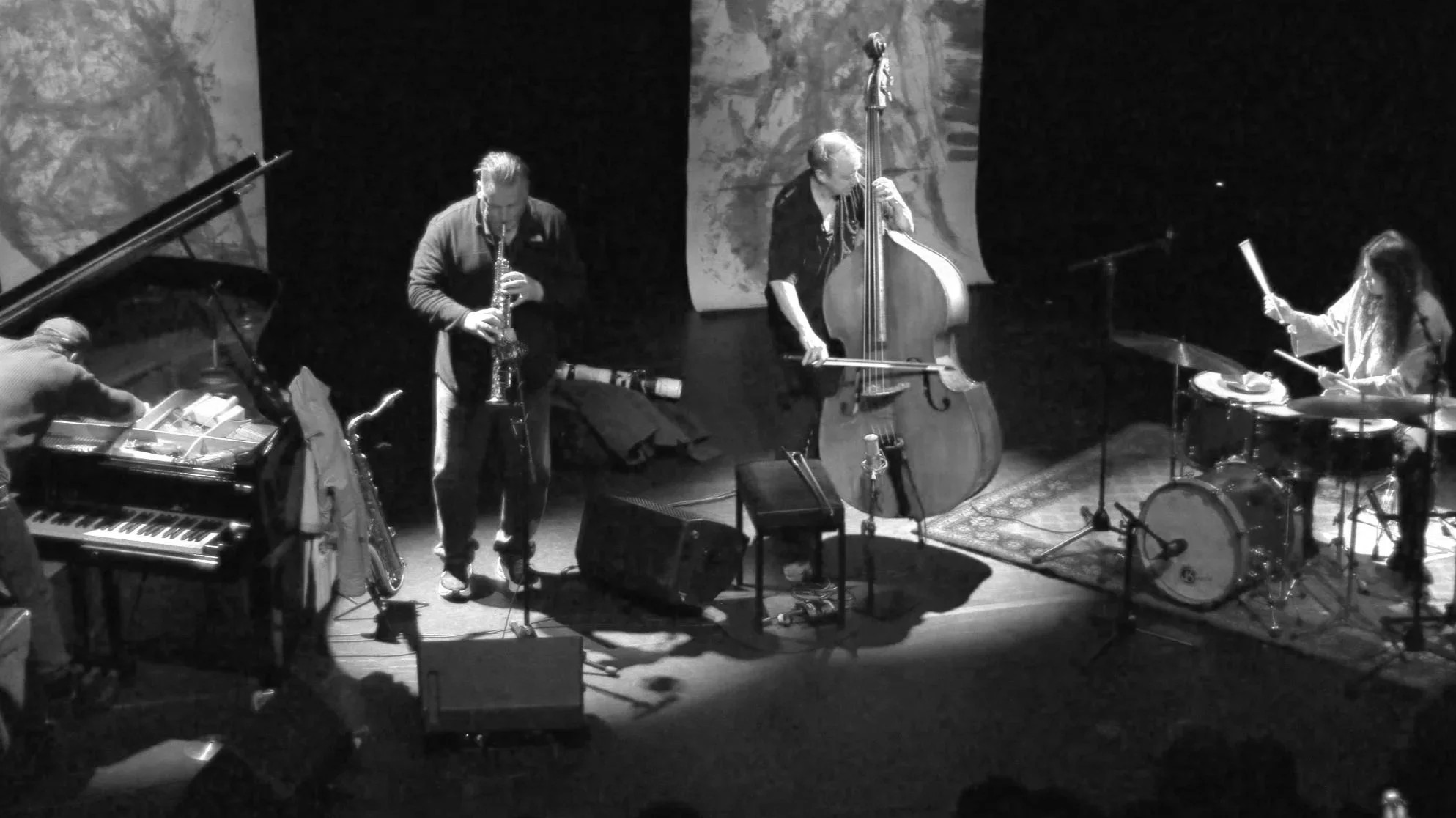
friday, November 20, 2026
Gert-Jan Prins – electronics
Ipek Idabasi – electronics
Axel Doerner – trumpet with electronics
Peter van Bergen – sopranosaxophone with electronics
Germaine Sijstermans – bassclarinet
saturday, november 21, 2026
Heleen Hulst – violin
Danya Pilchen – sounding objects
Raoul van der Weide – double bass
Lida Brouskari – piano
Fani Konstantinou – electronics
sunday, november 21, 2026
“AFTERNOON NAP”
Nieuw Amsterdams Peil
with
Olga Zuiderhoek – voice
Hans Dagelet – voice, trumpet
Gerard Bouwhuis – piano
Heleen Hulst – violin
Paul Koek – percussion
Koen Kaptijn – trombone
Peter van Bergen – contrabassclarinet
LOOS is both a performers’ lab and a foundation known as the LOOS foundation. It explores innovative performing techniques, bridging traditional instruments with cutting-edge technology.
These disciplines are subject to separate or combined exploration, both in relation to production and presentation, emphasizing reflection on practice and aesthetic expression as a whole.
Studio LOOS, established in 2005, serves as a hub for experimental music and artistic research in The Hague, The Netherlands.

LOOS Foundation activities are made bpossible with the support by De Gemeente Den Haag.


Zaal 3 is the smallest and most surprising theatre of Het Nationale Theater, situated right next to Studio LOOS, the DCR studio's and art space Nest. Zaal 3 is a laboratory for new makers and talent development, offering a safe space for both artists and the audience to freely explore and come to new insights.
The focus is on theatre and performance, with crossovers to visual arts, music, poetry and philosophy. Recurring highlights are projects from the LGBTQIA+ and BIPOC communities. November 2023 will mark the 10 year anniversary of Zaal 3!
© LOOS Den Haag | Designed By Anele